
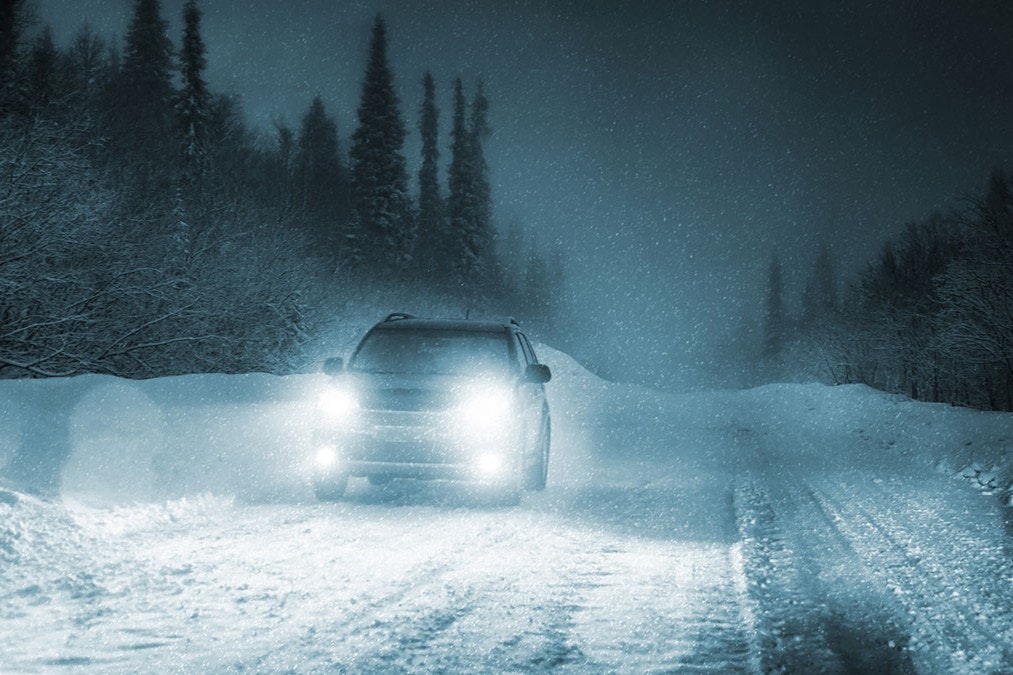
Essential Tips For Winter Driving Safety
Winter can transform even the most familiar roads into unpredictable hazards. Snow, ice, and freezing rain reduce traction, visibility, and reaction time, making driving more dangerous. Whether you’re commuting to work, running errands, or heading out for a winter adventure, staying safe behind the wheel requires preparation, caution, and awareness. Here are some practical tips to help you navigate winter weather safely.
Prepare Your Vehicle for Winter
A safe winter journey starts before you even hit the road. Take these steps to make sure your car is ready for the season:
- Tires: Ensure your tires have adequate tread and consider using winter tires, which provide better traction in snow and ice.
- Battery: Cold temperatures reduce battery efficiency. Have your battery tested if it’s over three years old.
- Fluids: Keep your windshield washer fluid full with winter-grade solution, and ensure antifreeze levels are sufficient.
- Lights: Check that all headlights, brake lights, and turn signals are working properly. Visibility is crucial in winter conditions.
- Emergency Kit: Carry essentials like a shovel, ice scraper, flashlight, blanket, warm clothing, and non-perishable snacks in case of an emergency.
Adjust Your Driving for Winter Conditions
Even experienced drivers need to modify their habits in winter weather:
- Slow Down: Snow and ice reduce traction. Driving slower gives you more time to react and reduces stopping distance.
- Increase Following Distance: Give yourself at least 6-8 seconds of space between you and the car ahead.
- Avoid Sudden Movements: Abrupt braking, accelerating, or sharp turns can cause your vehicle to skid.
- Use Low Gears: On slippery slopes, low gears can help maintain traction and prevent skidding.
- Brake Gently: If your vehicle has ABS, press firmly and steadily; if not, pump brakes gently to avoid locking the wheels.
Handle Skids Safely
Skids are common in winter, but how you respond can make all the difference:
- Rear-Wheel Skid: Steer in the direction you want the front wheels to go and avoid overcorrecting.
- Front-Wheel Skid: Ease off the accelerator and steer in the direction you want to go; do not brake hard.
- Black Ice: If you suspect black ice, reduce speed and avoid sudden movements. Black ice often looks like wet pavement.
Plan Your Route and Travel Time
- Check Weather Reports: Avoid driving in severe winter storms if possible.
- Give Yourself Extra Time: Rushed driving is more dangerous in slippery conditions.
- Know Alternate Routes: Some roads may be closed or impassable; have a backup route ready.
Stay Alert and Avoid Distractions
- Limit Distractions: Keep your focus on the road, especially in low-visibility conditions.
- Watch for Pedestrians: Snow and ice can make stopping distances longer, so anticipate where people might be crossing.
- Stay Calm: Panicking in slippery conditions can lead to oversteering or abrupt braking.
Consider Public Transport When Conditions Are Severe
Sometimes, the safest option is not to drive at all. If roads are icy or visibility is poor, using public transportation or delaying travel is better than risking an accident.
Visit Diehl Automotive
If you are in need of new tires, a battery test, or anything else to ensure you and your vehicle make it through the winter, visit Diehl Automotive and let us set you up for safety!
